

Smart city technology advances are changing the way we live and interact in urban areas. These innovations enhance connectivity and improve the quality of life for residents. Cities are becoming smarter, greener, and more efficient through technological integration.
From advanced traffic management systems to IoT solutions, the landscape of urban living is evolving. With data-driven decisions, cities can optimise resources and provide better services. This progress invites exciting transformations.
These developments are just the beginning. Keep reading to discover how these technologies are reshaping our cities and what the future holds.
Understanding Smart City Technologies
Understanding smart city technologies begins with recognising how they change our daily lives. Smart cities use advanced tools and data to improve services and facilities. This includes everything from smart traffic lights to improve flow, to sensors that monitor air quality.
These technologies work together to create a more connected environment. For instance, street lamps can adjust their brightness based on pedestrian movement. This not only saves energy but also enhances safety in urban areas.
Citizens benefit significantly from these innovations. With real-time information on public transport, for example, people can plan their journeys better, reducing waiting times and improving overall satisfaction with city services.
Key Advances in Smart Infrastructure
Key advances in smart infrastructure are transforming how cities function and serve their citizens. Buildings are now designed to be energy-efficient, using smart technologies that monitor usage and reduce waste. This helps save costs and benefits the environment.
Transportation is also a major focus of smart infrastructure. With the help of sensors and data analytics, cities can create smarter public transport systems. Buses and trains can be tracked in real-time, allowing commuters to plan their travels more accurately.
Additionally, smart infrastructure enhances public safety. Surveillance systems, for example, are being improved with advanced technology to detect unusual activities. This gives residents peace of mind and allows authorities to respond quickly to emergencies.
Impact on Urban Mobility
The impact on urban mobility from smart city technology is significant and wide-reaching. With real-time data and connectivity, cities can improve public transport systems. This helps people get to their destinations faster and with less hassle.
Smart traffic management systems play a vital role in urban mobility. These systems adjust traffic lights based on current traffic conditions. This not only reduces congestion but also lowers travel times, making daily commutes more pleasant.
Additionally, the rise of ride-sharing apps has transformed how we view transportation. These services allow users to request rides with just a few taps on their smartphones. This convenience promotes carpooling and reduces the number of vehicles on the road, leading to a cleaner environment.
Sustainable Solutions in Smart Cities
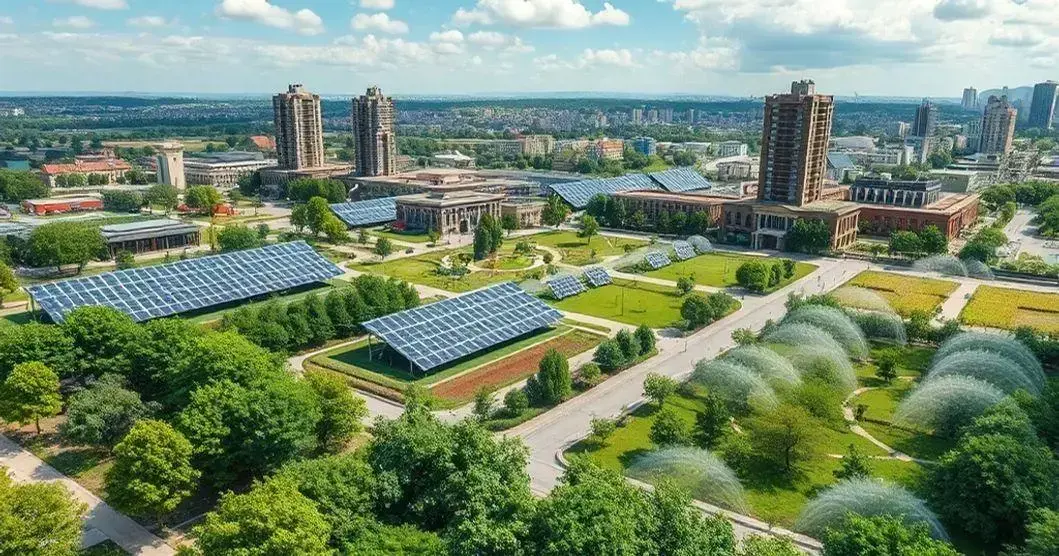
Sustainable solutions in smart cities focus on reducing environmental impact while enhancing the quality of life. One major approach is using renewable energy sources, like solar panels and wind turbines. These technologies help cities decrease their reliance on fossil fuels, leading to cleaner air and reduced greenhouse gas emissions.
Another important aspect is implementing green spaces within urban areas. Parks and green roofs not only beautify cities but also improve air quality and provide habitats for wildlife. Plus, they offer residents a place to relax and enjoy nature, promoting wellbeing in busy city life.
Water management is also crucial for sustainability. Smart irrigation systems use sensors to monitor soil moisture and weather patterns. This ensures that plants and landscapes receive the right amount of water. By conserving water, smart cities can manage resources better and protect local ecosystems.
Smart City Security Technologies
Smart city security technologies play a crucial role in keeping urban environments safe. One key feature is the use of surveillance cameras equipped with advanced analytics. These cameras can detect suspicious activities, alerting authorities quickly to potential threats and enhancing public safety.
Another important aspect is smart street lighting. These lights can automatically adjust brightness based on movement, making streets safer at night. When no one is around, they can dim to save energy, but brighten up when pedestrians or vehicles approach. This not only helps in crime prevention but also ensures that areas are well-lit when needed.
Additionally, cities are adopting emergency response systems that incorporate real-time data. These systems allow first responders to access important information quickly. They can see traffic patterns, locate incidents, and decide the best routes to emergencies, ultimately saving lives and improving response times.
The Future of Urban Data Management
The future of urban data management is all about using technology to collect and analyse information. Cities will rely on big data to understand traffic patterns, resource use, and citizen needs. This information can help local governments make better decisions, improving daily life for residents.
Smart sensors will play a major role in this evolution. From monitoring air quality to tracking energy usage in buildings, these sensors will gather data in real-time. By using this data, cities can respond quickly to issues, like pollution spikes or energy shortages, and take action to solve them efficiently.
Moreover, data sharing will become more important in smart cities. Sharing information across departments can lead to smarter planning and quicker responses to city challenges. Citizens will also have access to this data, helping them make informed decisions about their daily lives and improving civic engagement.
FAQ – Smart City Technologies
What are smart city technologies?
Smart city technologies are digital systems and IoT solutions that collect and analyse data to improve urban services, such as traffic management, energy use, waste collection and public safety.
How do smart cities improve quality of life?
They optimise resources and services—reducing congestion, improving public transport reliability, enhancing safety, and lowering energy consumption—resulting in cleaner, safer and more efficient urban living.
What are common examples of smart city applications?
Typical applications include adaptive traffic lights, smart parking, air quality sensors, intelligent street lighting, connected public transport, and platform-based citizen services for reporting issues.
How do smart cities affect urban mobility?
Smart mobility uses real-time data to optimise routes, reduce congestion, improve public transit schedules and promote shared mobility options, making travel faster and more sustainable.
Are there privacy concerns with smart city data?
Yes. Collecting large amounts of urban data raises privacy risks. Cities must implement strong data governance, anonymisation, clear consent policies and transparent use to protect citizens.
How do smart cities enhance public safety?
Advanced surveillance analytics, connected emergency systems and smart lighting help detect incidents faster, coordinate responders and improve situational awareness to reduce crime and response times.
What role does sustainability play in smart cities?
Sustainability is central: smart energy management, renewable integration, efficient water use and green urban planning reduce emissions, conserve resources and create healthier environments.
How much does it cost to implement smart city solutions?
Costs vary widely depending on scale and technology. Initial investments can be high, but long-term savings from efficiency gains, reduced maintenance and better planning often offset upfront expenses.
How can citizens get involved in smart city projects?
Citizens can participate through public consultations, open-data platforms, reporting apps, local pilot programs and community workshops to help shape priorities and ensure solutions meet real needs.
What does the future hold for smart city technology?
The future points to deeper AI integration, improved urban data management, wider adoption of sensors, increased interoperability between systems and stronger focus on ethical governance and resilience.
AI Image Tools help you create, edit, and enhance visuals with intelligent features that boost creativity, simplify workflows, and deliver high-quality results in seconds.