

Bridging finance is a powerful tool that opens doors to quick funding solutions in property investment. It provides an essential lifeline when traditional financing isn’t an option. Understanding how bridging finance works can lead to smarter investment decisions.
It allows investors to act swiftly, tapping into opportunities quickly and efficiently. With various types available, knowing the right one can transform your property strategy. Maximising finances is crucial in today’s market.
Keep reading to discover surprising insights into bridging finance options that can elevate your investment game.
Understanding Bridging Finance
Understanding bridging finance is essential for anyone looking to invest in property. Bridging finance is a short-term loan that helps buyers complete property transactions quickly. It is often used when a buyer needs to act fast to secure a deal, but traditional banks may take too long.
This financial tool provides immediate funds, allowing investors to seize opportunities without waiting for lengthy approval processes. Bridging finance can be used to buy a property, clear existing debts, or even renovate a home before selling it for a profit.
Many people look to bridging finance during the property investment journey because it can save time and help land lucrative deals. Understanding the ins and outs of bridging finance can truly unlock new opportunities in the competitive property market.
Benefits of Bridging Finance
Bridging finance offers several key benefits for property investors. One of the main advantages is speed. Bridging finance provides quick access to funds, allowing investors to secure properties before they are taken off the market. This can be crucial in a competitive environment where timing is everything.
Another benefit is flexibility. Bridging finance can be tailored to meet different needs. Whether you are buying a property, refurbishing a property for sale, or need to cover a gap in funding, bridging finance can provide the necessary support.
Additionally, bridging finance can help improve cash flow. By using bridging finance, investors can pay off immediate costs while waiting for long-term financing to be secured. This leads to better financial planning and can ultimately support larger investment opportunities.
How Bridging Finance Works
Understanding how bridging finance works is essential for property investors. When you apply for bridging finance, the lender will assess your financial situation quickly. This includes the property value and your ability to repay the loan. The approval process is usually much faster than traditional bank loans, often taking just a few days.
Once approved, the funds can be used immediately. You can purchase a property or cover costs related to your investment. Bridging finance is designed to be short-term, typically lasting from a few weeks to a few months, allowing you to close deals quickly without long-term commitments.
As you prepare to transition to a permanent mortgage or another form of finance, your bridging loan will be paid off. This process keeps your cash flow moving and makes the investment journey smoother. Understanding these steps can open new doors in property investment.
Types of Bridging Finance
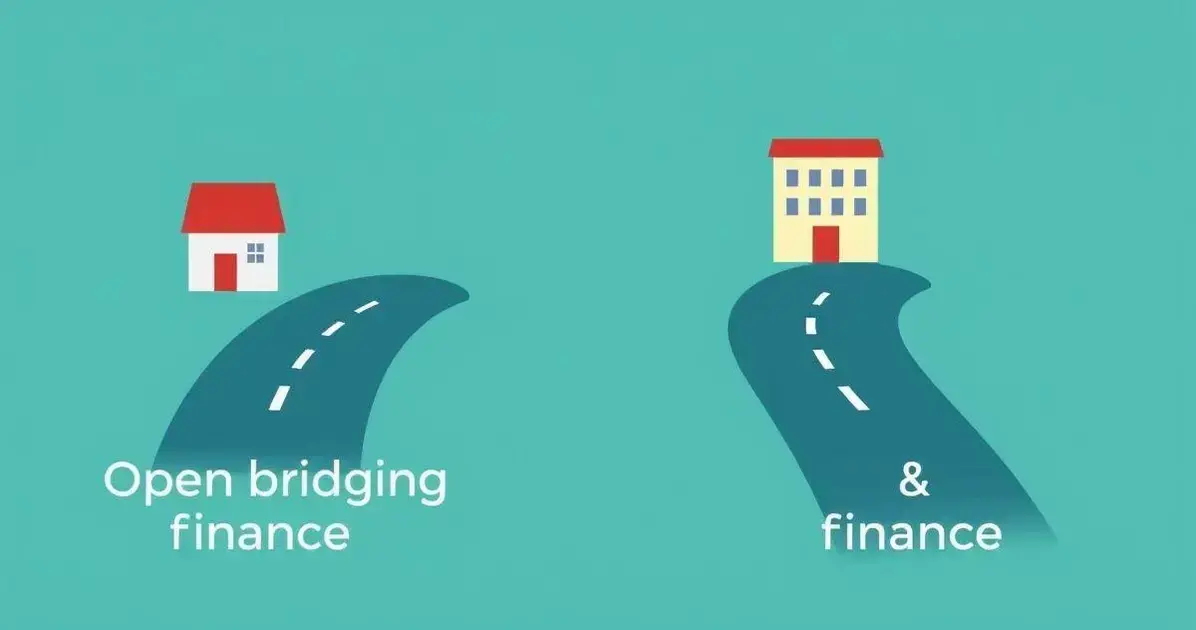
There are different types of bridging finance to suit various needs in property investment. One common type is **open bridging finance**, which provides funds without a specific repayment date. This is useful when buyers are waiting for the sale of another property but need immediate funds.
Another type is **closed bridging finance**. This form is used when investors have a clear plan for repayment, such as a confirmed buyer on another property. It usually comes with a set repayment date, making it suitable for those with a timeline in mind.
Additionally, there are **residential and commercial bridging loans**. A residential loan is designed for home purchases or improvements, while a commercial loan caters to businesses seeking to invest in commercial properties. Knowing the different types can help investors choose the right option for their needs and boost their property investment journey.
Bridging Finance vs Traditional Loans
When comparing bridging finance and traditional loans, speed is a major factor. Bridging finance is designed to be quick, providing funds within days. This is ideal for investors needing to act fast. In contrast, traditional loans typically involve long approval processes that can take weeks or even months, making them less suitable for urgent purchases.
Another difference lies in flexibility. Bridging finance often offers more flexible terms tailored to the individual investor’s needs. Loan amounts can vary based on the property value and are easier to negotiate. Traditional loans usually have fixed terms and requirements, which can limit options for borrowers.
Lastly, fees and interest rates can differ greatly. Bridging finance may come with higher interest rates due to its short-term nature. Traditional loans may have lower rates but often require extensive paperwork and credit checks. Understanding these differences can help investors make informed decisions about their financing options.
Key Considerations for Bridging Finance
When considering bridging finance, it’s important to think about the costs involved. Fees can add up quickly, and they may include arrangement fees, legal costs, and valuation fees.
Understanding all the potential expenses can help investors budget better and avoid surprises when finalizing the loan.
Another key consideration is the repayment strategy. Investors should have a clear plan on how they will repay the bridging loan. This means knowing when other properties will sell or when long-term financing will be available.
Having a solid repayment plan ensures that the bridging finance serves its purpose without causing financial strain later.
Lastly, it’s crucial to consider the lender’s terms and conditions. Different lenders may offer varying interest rates and repayment terms.
Reading the fine print and understanding the conditions will help investors make informed choices. This diligence can lead to a more successful and stress-free borrowing experience.
Don’t miss our article on Rapid Finance and discover fast, reliable financial solutions that help you access funds quickly while managing your money responsibly.