

AI technology is rapidly transforming the way we live and work. From automating everyday tasks to streamlining complex operations, it’s becoming a key part of modern life across the globe.
As AI continues to evolve, industries such as healthcare, finance, education, and transportation are seeing significant improvements in speed, accuracy, and decision-making. These advancements are helping businesses serve people better and faster.
With its growing influence, understanding the impact and potential of AI technology is more important than ever. Keep reading to explore how AI is shaping the future and what it means for you and the world around you.
What is AI Technology?
AI technology refers to the ability of machines to mimic human intelligence. It uses advanced algorithms and data to learn from experiences. This means that AI systems can improve their performance over time, making them smarter and more efficient.
One common example of AI technology is virtual assistants like Siri and Alexa. These devices can understand voice commands and perform tasks such as setting reminders or playing music. They make our daily lives easier by handling simple tasks quickly and accurately.
AI technology is also used in other areas like healthcare and entertainment. For instance, doctors use AI to help diagnose diseases, while streaming services use it to recommend shows based on our preferences. As AI technology continues to develop, it will have a bigger impact on our lives, transforming the way we interact with the world around us.
The Evolution of AI Technology
The evolution of AI technology began in the 1950s when scientists first dreamed of machines that could think like humans. Early AI systems were basic and could only perform simple tasks. However, researchers worked hard to develop smarter algorithms, which allowed machines to learn from data and improve their performance.
As time went on, AI technology made huge strides. The introduction of machine learning in the 1980s allowed computers to analyze large amounts of information quickly. This progress enabled AI to tackle more complex problems, such as understanding natural language and recognizing images, making it more useful in everyday life.
Today, AI technology continues to grow at an impressive pace. With advancements in deep learning and neural networks, machines can now understand emotions, make predictions, and even create art. This rapid evolution means AI is becoming an integral part of our lives, helping us in areas like business, healthcare, and entertainment.
AI Technology in Healthcare
AI technology in healthcare is making a big difference in how doctors and patients interact. For instance, AI-powered tools can analyze medical data quickly and accurately. This means that doctors can receive insights and suggestions based on patient history, making it easier to diagnose illnesses and choose the right treatments.
One amazing use of AI in healthcare is in imaging. AI systems can help radiologists identify problems in X-rays, MRIs, and CT scans with great precision. By doing this, AI technology not only speeds up the process but also reduces the chances of human error, resulting in better patient outcomes.
Moreover, AI technology is helping to develop personalized medicine. By analyzing a patient’s unique genetic makeup, AI can assist in creating treatment plans tailored to their specific needs. This means more effective treatments with fewer side effects, which is transforming how we approach patient care in the healthcare industry.
Impact of AI Technology on Education
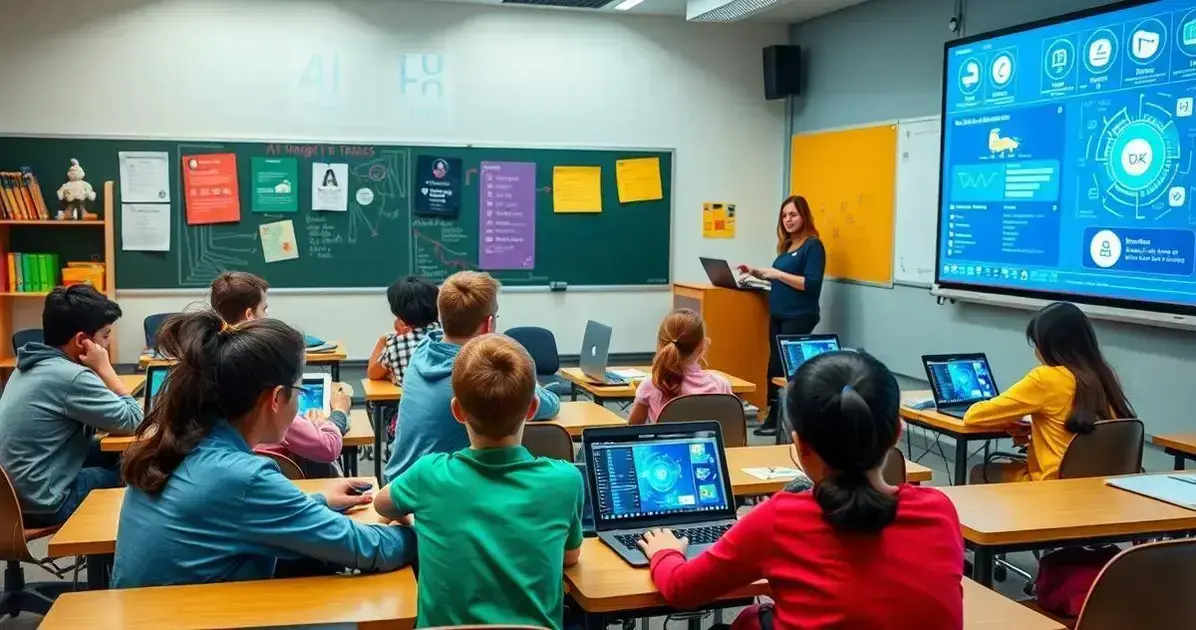
The impact of AI technology on education is becoming increasingly significant. With tools that adapt to individual learning styles, students can receive personalized lessons that cater to their strengths and weaknesses. This tailored approach helps them understand complex concepts better and keeps them engaged in their studies.
AI technology also streamlines administrative tasks for teachers. For example, grading assignments and tracking student progress can be done faster and more accurately with AI systems. This allows educators to spend more time focusing on teaching and interacting with students, rather than getting bogged down by paperwork.
Moreover, AI technology opens up new learning opportunities outside the classroom. Virtual tutors and learning apps provide support for students whenever they need it. With access to these resources, learners can study at their own pace, making education more flexible and accessible for everyone.
AI Technology in Business
AI technology in business is changing how companies operate and make decisions. Businesses are now using AI to analyze data and gain insights that help them understand their customers better. This means they can create products and services that meet the specific needs and preferences of their target audience.
AI also automates repetitive tasks, which saves time and reduces human error. For instance, chatbots handle customer inquiries, helping businesses provide 24/7 support. This allows employees to focus on more complex and creative tasks, ultimately boosting productivity and job satisfaction.
Moreover, AI technology can improve marketing strategies by predicting trends and consumer behavior. With this information, companies can tailor their advertisements to reach the right people at the right time, increasing their chances of success in a competitive market. Overall, AI technology is becoming an essential part of modern business practices.
Future Trends in AI Technology
Future trends in AI technology promise to make our lives even more interconnected and efficient. One key trend is the rise of AI in daily tasks. As devices become smarter, we can expect better integration in our homes and workplaces. This could lead to fully automated environments where AI manages everything from temperature control to scheduling meetings.
Another exciting trend is the growth of ethical AI. As AI technology becomes more powerful, there is a greater focus on ensuring it is used responsibly. This means creating AI systems that are fair, transparent, and respect user privacy. Businesses and developers will need to work together to achieve this balance as they continue to innovate.
Lastly, AI will play a significant role in advancing personalized experiences. Whether in entertainment, health, or education, AI can analyze our habits and preferences to provide tailor-made solutions. This personalization can enhance our interactions with technology, making our daily lives smoother and more enjoyable.
Ethical Considerations of AI Technology
Ethical considerations of AI technology are becoming increasingly important as AI systems are integrated into our daily lives. One major concern is bias in AI algorithms. If the data used to train these systems is not diverse or fair, the AI can make decisions that are harmful or unfair to certain groups of people. It is crucial for developers to recognize and address these biases to ensure that AI serves everyone equally.
Another ethical issue involves privacy. AI technologies often collect and analyze large amounts of personal data to function effectively. This raises questions about how that data is used and who has access to it. Protecting individual privacy while harnessing the benefits of AI is a delicate balance that must be maintained to build trust among users.
Finally, there is the question of accountability. When AI systems make mistakes, it can be unclear who is responsible. Is it the developers, the companies, or the users? Establishing clear guidelines on accountability will help society navigate the complex landscape of AI, ensuring that its benefits can be enjoyed while minimizing potential harm.
Check out our article on AI Automation to explore how artificial intelligence is streamlining processes and boosting efficiency across industries.