
AI in creative industries is changing the game for artists and makers. It brings innovative tools that enable new forms of expression and collaboration.
This technology helps streamline workflows, allowing creators to focus on their craft while enhancing the quality of their work.
Stay ahead of the curve and learn about the latest trends in AI for creativity. Keep reading to discover how you can leverage AI in your own artistic endeavours!
Understanding AI’s Role in Creative Industries
Understanding AI’s role in creative industries starts with recognising how it helps artists and creators. AI tools can assist in various creative processes, such as generating ideas, composing music, or designing graphics. By providing suggestions and automating repetitive tasks, AI allows creators to focus on what matters most—their unique vision.
In the world of art, AI can analyse patterns and styles, creating new works that blend traditional techniques with modern trends. Artists can collaborate with AI to explore new styles and techniques they may not have considered alone. This partnership between human creativity and machine learning opens doors to endless possibilities in art and design.
Furthermore, AI enhances creativity by offering instant feedback and iterations. Creators can experiment quickly and make adjustments based on data-driven insights. This means less time spent on trial and error and more time for innovation. Understanding AI’s role is essential for anyone in creative industries looking to thrive in today’s fast-paced digital landscape.
How AI is Reshaping Art and Design
How AI is reshaping art and design is a topic that highlights the evolving relationship between technology and creativity. Artists are now using AI tools to create unique pieces of art that blend traditional techniques with modern technology. This combination allows creators to explore new styles and push the boundaries of their imagination.
AI can also automate tedious tasks in the design process, giving artists more time to focus on their creative vision. For instance, graphic designers can use AI to generate layouts or colour schemes, making the design process faster and more efficient. By simplifying repetitive tasks, AI encourages designers to innovate and experiment.
Moreover, AI technology is enabling more inclusive art creation. People who may not have had the opportunity to express their creativity now have access to user-friendly AI tools. This empowerment fosters a vibrant community of creators and encourages diverse voices in the art world. AI is truly transforming the way we understand and engage with art and design.
AI Tools for Musicians and Composers
AI tools for musicians and composers are transforming the music landscape, showing how powerful AI in creative industries can be. These tools assist in composing melodies, generating beats, and mastering tracks, making the creative process faster and more dynamic for artists.
One major advantage of these tools is their ability to collaborate with musicians. This demonstrates the growing influence of AI in creative industries, as it can suggest chord progressions, rhythms, and ideas based on the user’s input. Composers who feel stuck can rely on AI to spark inspiration and fuel their creativity.
Accessibility is another important benefit of AI in creative industries, allowing even beginners to create music without needing deep knowledge of theory. With intuitive apps and intelligent guidance, more people can explore musical expression and join the evolving world of modern creativity.
The Impact of AI on Creative Writing
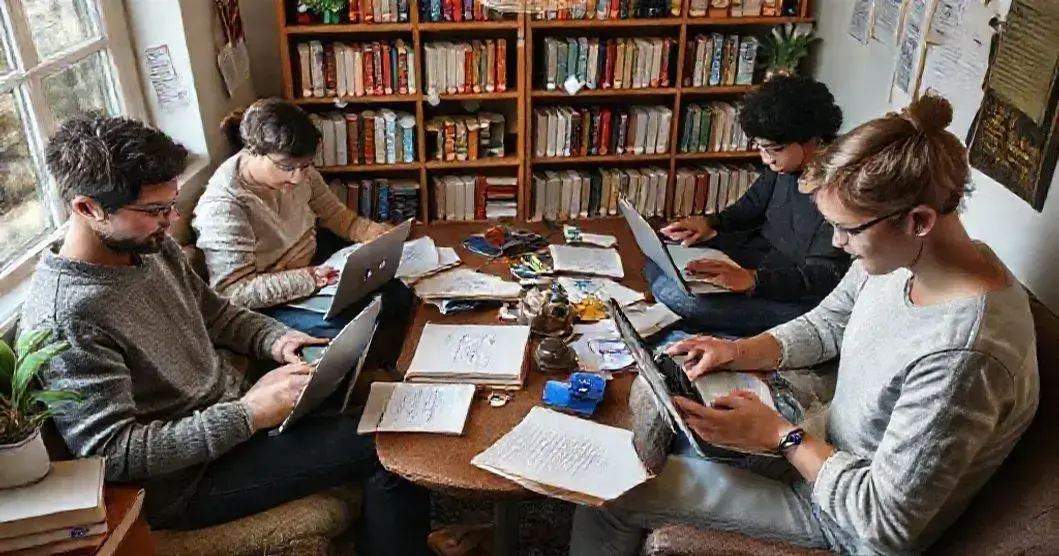
The impact of AI on creative writing is becoming more noticeable as writers embrace new technologies. AI tools can help generate ideas, suggest plot twists, or even create entire story drafts. This support not only boosts writers’ creativity but also opens pathways to explore different narratives and styles.
AI can also assist in the editing process. By analysing text for grammar, style, and flow, these tools provide instant feedback that helps writers improve their work. This means less time spent on revisions and more time devoted to creating compelling stories and characters that resonate with readers.
Importantly, AI democratizes creative writing by making it accessible to more people. Aspiring authors who may struggle with writer’s block or the intricacies of storytelling can find inspiration and guidance through AI-driven applications. As a result, the landscape of creative writing is evolving, becoming a more inclusive space for all kinds of voices and stories.
Ethics of Using AI in Creative Processes
The ethics of using AI in creative processes is an important topic as technology becomes more integrated into the arts. One major concern is authorship. When an AI generates a piece of art or music, who truly owns the creation? This question raises debates about credit and recognition, which are essential in creative fields.
Another ethical issue involves originality. Many creators worry that relying on AI tools might lead to a lack of uniqueness in art and writing. If everyone uses similar AI systems, it could result in homogeneous styles and ideas. Understanding how to use AI while preserving individual creativity is crucial for artists and writers.
Lastly, there are concerns about fairness and access. Not all creators have the same resources to use advanced AI tools, which could widen the gap between established artists and newcomers. Ensuring that AI benefits everyone in the creative community and does not create inequality is vital for a balanced artistic landscape.
Future Trends of AI in Creative Industries
Future trends of AI in creative industries promise exciting developments as technology continues to evolve. One growing trend is the rise of AI-generated artworks and music that challenge traditional boundaries. As AI becomes more sophisticated, we will see creators blending human touch with machine learning to produce innovative pieces that spark new conversations.
Another trend is the increased use of AI for personalisation in creative experiences. For instance, AI can analyse audience preferences and tailor content accordingly. This means that people can enjoy customised music playlists, art recommendations, and even interactive storytelling that speaks directly to their interests, making art more engaging than ever.
Collaboration between AI and human creators will also shape the future. Instead of viewing AI as a replacement, artists will use it as a partner in their creative processes. This partnership will encourage new forms of expression and collaboration, fostering a vibrant ecosystem where both humans and machines contribute to artistic innovation.
AI Image Tools help you create, edit, and enhance visuals with intelligent features that simplify design, boost creativity, and deliver high-quality results in just a few clicks.