

Investment planning is crucial for building wealth and securing your future. Understanding its principles helps individuals make informed decisions with their finances.
With proper investment planning, you can maximise returns and mitigate risks effectively. Fine-tuning your approach can lead to greater financial stability.
Don’t miss out on the opportunity to transform your financial landscape. Keep reading to discover strategies that can elevate your investment planning!
What is Investment Planning?
Investment planning is the process of setting financial goals and developing a strategy to achieve them.
It helps individuals understand where to put their money for the best growth. By planning, you can build a secure financial future while balancing risks and rewards.
A good investment plan takes into account your current financial situation, your future goals, and your comfort with risk.
It means deciding how to invest in stocks, bonds, or other assets. This careful approach helps ensure that your investments align with your lifestyle and aspirations.
Understanding investment planning is crucial for everyone, no matter their financial status. It empowers you to make informed choices with your money.
By focusing on planning, you can uncover opportunities that bring you closer to achieving your dreams of wealth and security.
Benefits of Effective Investment Planning
Effective investment planning provides clarity on your financial goals. When you have a solid plan, you know what you want to achieve and how to get there.
This clarity helps you stay focused and prevents unnecessary spending, guiding you toward successful investments.
Another benefit is that it helps manage risk. By evaluating your comfort level with different types of investments, you can make choices that suit your situation.
With a clear plan, you can build a diverse portfolio that balances risk and reward, protecting your money from sudden market changes.
Lastly, effective investment planning leads to better financial security. As your investments grow, you can achieve major life goals, like buying a home or retiring comfortably.
Knowing you have a plan in place can bring peace of mind and motivate you to stay committed to your financial future.
Key Components of Investment Planning
The key components of investment planning start with setting clear financial goals. Knowing what you want to achieve is essential for any investment strategy.
Whether it’s saving for retirement, funding a child’s education, or buying a home, having specific goals makes your planning more effective.
Another important component is understanding your risk tolerance. Everyone has different levels of comfort when it comes to taking risks with money.
By knowing how much risk you can handle, you can choose suitable investments that align with your personality and financial situation.
Lastly, developing a well-diversified portfolio is critical for investment planning. Diversification means spreading your money across various types of investments, like stocks, bonds, and real estate.
This strategy helps minimise risk and increases the chance of earning good returns over time, making your financial future brighter.
Common Investment Planning Strategies
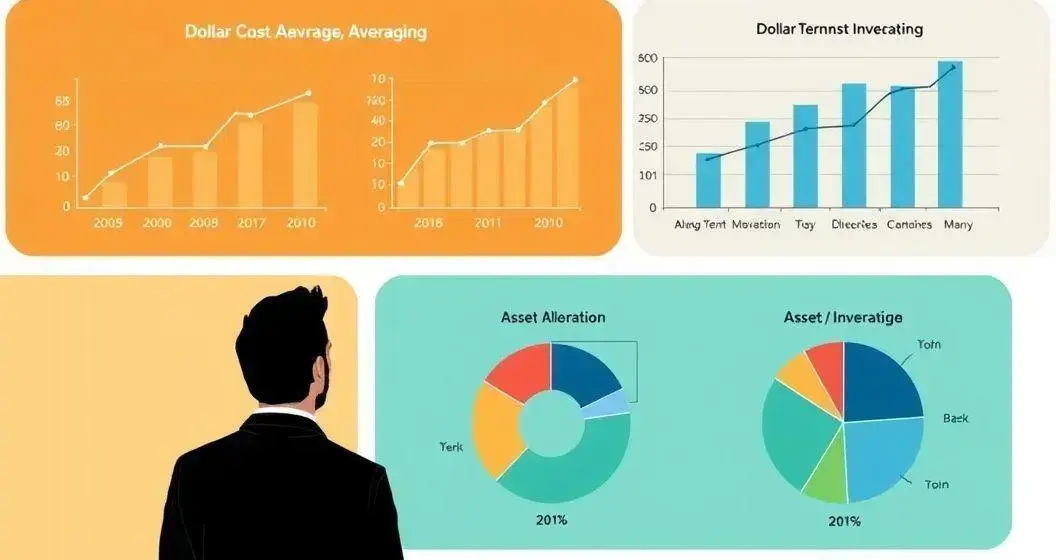
One common investment planning strategy is dollar-cost averaging. This involves investing a fixed amount of money regularly, regardless of market conditions.
By doing this, you buy more shares when prices are low and fewer when prices are high. This strategy helps reduce the impact of market volatility and can lead to better long-term results.
Another effective strategy is asset allocation, which means dividing your investments among different asset classes, like stocks, bonds, and cash.
By having a mix, you can balance risk and reward. If one investment doesn’t perform well, others might do better, helping to protect your overall portfolio.
Lastly, many investors use a buy-and-hold approach. This strategy involves purchasing investments and holding them for a long time, regardless of market ups and downs.
By staying invested, you give your money time to grow, which can lead to higher returns over the years. Patience is key to this strategy’s success.
How to Start Your Investment Planning
To start your investment planning, first identify your financial goals. Think about what you want to achieve in the future.
Whether it’s saving for a new car, buying a home, or planning for retirement, having clear goals will guide your investment choices. Write down these goals clearly to keep you focused.
Next, assess your current financial situation. This includes looking at your income, expenses, and any savings you already have.
Knowing where you stand financially helps you understand how much you can invest regularly. It’s important to make sure that you have an emergency fund set aside before diving into investments.
Finally, educate yourself on investment options available to you. Research stocks, bonds, mutual funds, and other investment types to know what fits your goals and risk tolerance.
You may also consider consulting a financial advisor for personalized advice. Taking these steps will set a strong foundation for your investment planning journey.
Mistakes to Avoid in Investment Planning
One common mistake to avoid in investment planning is not having clear goals. Without specific goals, it’s easy to get lost in the investment process.
Make sure to define what you want to achieve. This clarity will help direct your strategies and keep you focused on your financial future.
Another mistake is letting emotions drive your investment decisions. Many investors panic during market downturns and sell off their investments, often at a loss.
It’s important to stay calm and stick to your plan. Remember that investing is a long-term game and fluctuations are normal.
Finally, failing to diversify your investments can be a risky mistake. Putting all your money into one type of investment can lead to significant losses.
Instead, spread your investments across different assets, such as stocks, bonds, and real estate. This way, you can protect yourself from poor performance in any one area.
Frequently Asked Questions (FAQ)
What is investment planning?
Investment planning is the process of setting financial goals and creating strategies to achieve them through smart investments.
Why is investment planning important?
It helps you maximise returns, manage risks, and build long-term financial security by making informed decisions.
How can I start investing?
Start by setting clear financial goals, assessing your current finances, and learning about different investment options.
What are common mistakes to avoid?
Avoid emotional decisions, unclear goals, and lack of diversification. Always stick to a well-defined plan.
Should I consult a financial advisor?
Yes, a financial advisor can help tailor an investment strategy based on your goals and risk tolerance.
Don’t miss our article on Blockchain Finance and explore how this revolutionary technology is transforming global transactions, enhancing transparency, and creating new investment opportunities in the financial world.