

Smart home devices are changing the way we live. Efficiency and convenience are at the forefront, providing seamless integration into our daily routines.
From controlling lights to enhancing security, smart devices offer unparalleled benefits. Their adaptability allows homeowners to create a personalised environment tailored to their needs.
Embrace technology that simplifies life and increases comfort. Keep reading to discover how to transform your home with smart solutions.
What are Smart Home Devices?
Smart home devices are electronic gadgets that connect to the internet. They help us manage our homes more easily. These devices can be controlled remotely, which adds convenience to everyday tasks.
Some common smart home devices include smart lights, thermostats, and security cameras. They can adjust lighting, change temperatures, and monitor homes, all from a smartphone or voice assistant.
By using smart home devices, people can save energy and enhance security. They create a comfortable living experience and allow for greater control over our home environments.
Benefits of Smart Home Devices
Smart home devices offer many benefits that improve our everyday lives. One major advantage is the convenience they provide. With just a tap on your phone, you can control lights, thermostats, and more from anywhere in your home.
Another benefit is energy efficiency. Smart devices can help reduce energy use by automatically adjusting settings. For example, smart thermostats can learn your schedule and save money on your energy bills.
Lastly, smart home devices enhance security. With features like remote monitoring and alerts, homeowners can feel safer. These devices make it easier to keep an eye on what matters most, even when you are away.
Popular Types of Smart Home Devices
There are many popular types of smart home devices that people love. Smart speakers are a common choice. These devices, like Amazon Echo or Google Home, let you play music and control other smart devices using voice commands.
Another popular option is the smart thermostat. This device learns your heating and cooling preferences. It can adjust the temperature automatically, saving money and energy.
Security is another big part of smart home devices. Smart cameras and doorbells help homeowners monitor their property. These devices provide alerts and live feeds, making it easy to keep an eye on your home from anywhere.
Installation and Setup
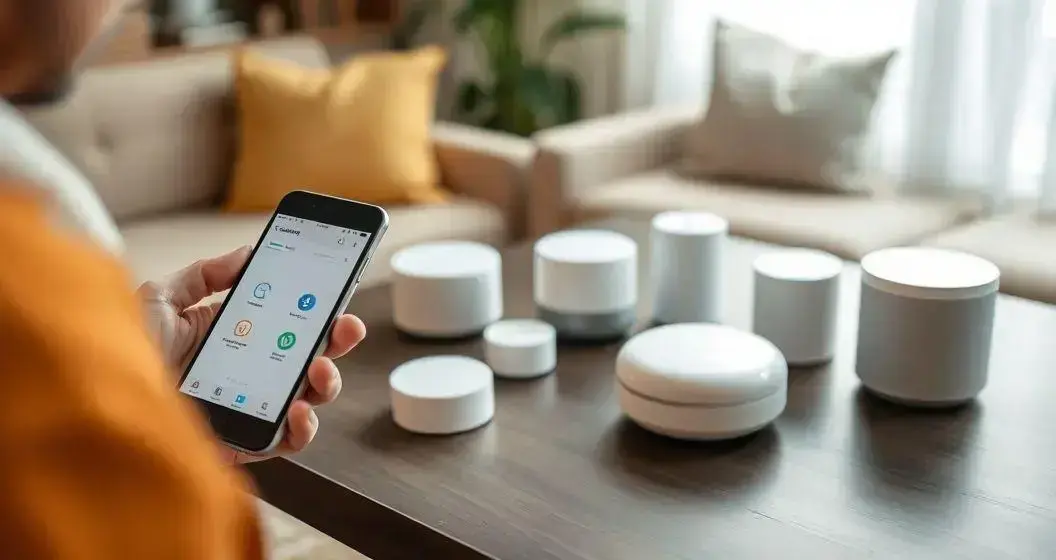
Installation of smart home devices is usually simple. Most devices come with detailed instructions that guide you through each step. You can often set them up using an app on your smartphone or tablet.
After unboxing, you will typically need to connect the device to your home Wi-Fi. This is important for the device to work properly. Follow the app’s prompts to ensure you have a stable connection.
Once connected, you can customize the settings according to your preferences. Adding devices to your smart home ecosystem may take a little time, but it is worth it for the convenience they provide.
Key Features to Consider
When choosing smart home devices, compatibility is a key feature to consider. Make sure the device works with your current systems, such as your smartphone or other smart gadgets. It’s important for smooth operation and easy management.
Another important feature is user-friendliness. Look for devices that come with easy-to-use apps. A simple interface will help you control your devices without any hassle.
Finally, think about security features. Check if the device has built-in protection against hacking and other threats. A secure device will help keep your home and data safe while providing peace of mind.
Future Trends in Smart Home Devices
One future trend in smart home devices is increased integration with artificial intelligence. This means devices will learn from your habits and preferences, making them smarter over time. For example, a smart thermostat might adjust your home’s temperature based on your daily schedule.
Another trend is the growth of voice control technology. More devices will support voice assistants, allowing you to control your home hands-free. This will make it even easier to manage your smart devices, especially when your hands are full.
Finally, sustainability will play a major role in future smart home technology. Expect to see devices designed to help save energy and reduce waste. These innovations will not only benefit your home but also contribute to a healthier planet.
FAQ – Smart Home Devices
What are smart home devices used for?
Smart home devices are designed to automate and simplify everyday tasks. They help control lighting, temperature, security systems, appliances, and more—all from a smartphone or voice assistant.
Do smart home devices really save energy?
Yes. Many smart devices help reduce energy consumption by adjusting settings automatically. Smart thermostats, smart plugs, and energy-efficient lighting can lower electricity bills while reducing waste.
Are smart home devices difficult to install?
Most smart devices are easy to install and include clear instructions. Many require only a Wi-Fi connection and a mobile app to complete the setup in just a few minutes.
Do smart home devices work without Wi-Fi?
Most require Wi-Fi to function fully, especially for remote control or automation features. Some devices can perform basic tasks offline, but connectivity is essential for full functionality.
Are smart home systems secure?
Smart home devices are generally safe, but security depends on using strong passwords, enabling two-factor authentication, and keeping software updated. Choosing trusted brands also reduces risks.
Can I control all my smart devices from one app?
Many devices can be grouped under a single platform such as Google Home, Apple HomeKit, or Amazon Alexa. Compatibility varies, so check whether your devices support the same ecosystem.
What are the most popular smart home devices?
Popular choices include smart speakers, smart thermostats, smart lights, security cameras, video doorbells, and smart plugs. These devices offer convenience, safety, and energy savings.
Do smart home devices increase home security?
Yes. Devices like security cameras, smart locks, and video doorbells provide real-time alerts, remote monitoring, and enhanced control over home access, improving overall security.
How much do smart home devices cost?
Prices vary widely depending on the device. Smart plugs and bulbs are affordable, while advanced security systems or thermostats can be more expensive. Most users start small and expand gradually.
What future trends can we expect in smart home technology?
Future trends include deeper AI integration, more powerful voice control, improved energy-saving features, and devices that sync seamlessly to create a fully automated, eco-friendly home.
Blockchain Finance enhances security, transparency, and efficiency in digital transactions, offering innovative solutions that simplify payments, investments, and financial management.